In today’s fast-paced, technology-driven world, digital marketing has become an essential part of every business strategy. Whether it is a small startup or a multinational corporation, companies rely heavily on digital platforms to reach their target audience, build brand awareness, and drive sales. Digital marketing is no longer optional—it is a necessity for survival and growth in the competitive marketplace.
What is Digital Marketing?
Digital marketing refers to the use of online platforms, tools, and technologies to promote products or services. It includes various channels such as search engines, social media, email, websites, and mobile apps. Unlike traditional marketing, digital marketing allows businesses to interact directly with their audience, track performance in real-time, and optimize campaigns for better results.
Importance of Digital Marketing

One of the biggest advantages of digital marketing is its ability to reach a global audience. Businesses are no longer limited by geographical boundaries. With the help of the internet, even a small business can attract customers from different parts of the world.
Another key benefit is cost-effectiveness. Compared to traditional marketing methods like television or print ads, digital marketing is more affordable and offers a higher return on investment (ROI). Small businesses with limited budgets can compete with larger companies by using smart digital strategies.
Digital marketing also provides measurable results. Tools like analytics dashboards allow marketers to track website traffic, user behavior, conversion rates, and campaign performance. This data-driven approach helps businesses make informed decisions and improve their strategies continuously.
JKhkjsdfkhdjdfhjdhf
Key Components of Digital Marketing
- Search Engine Optimization (SEO)
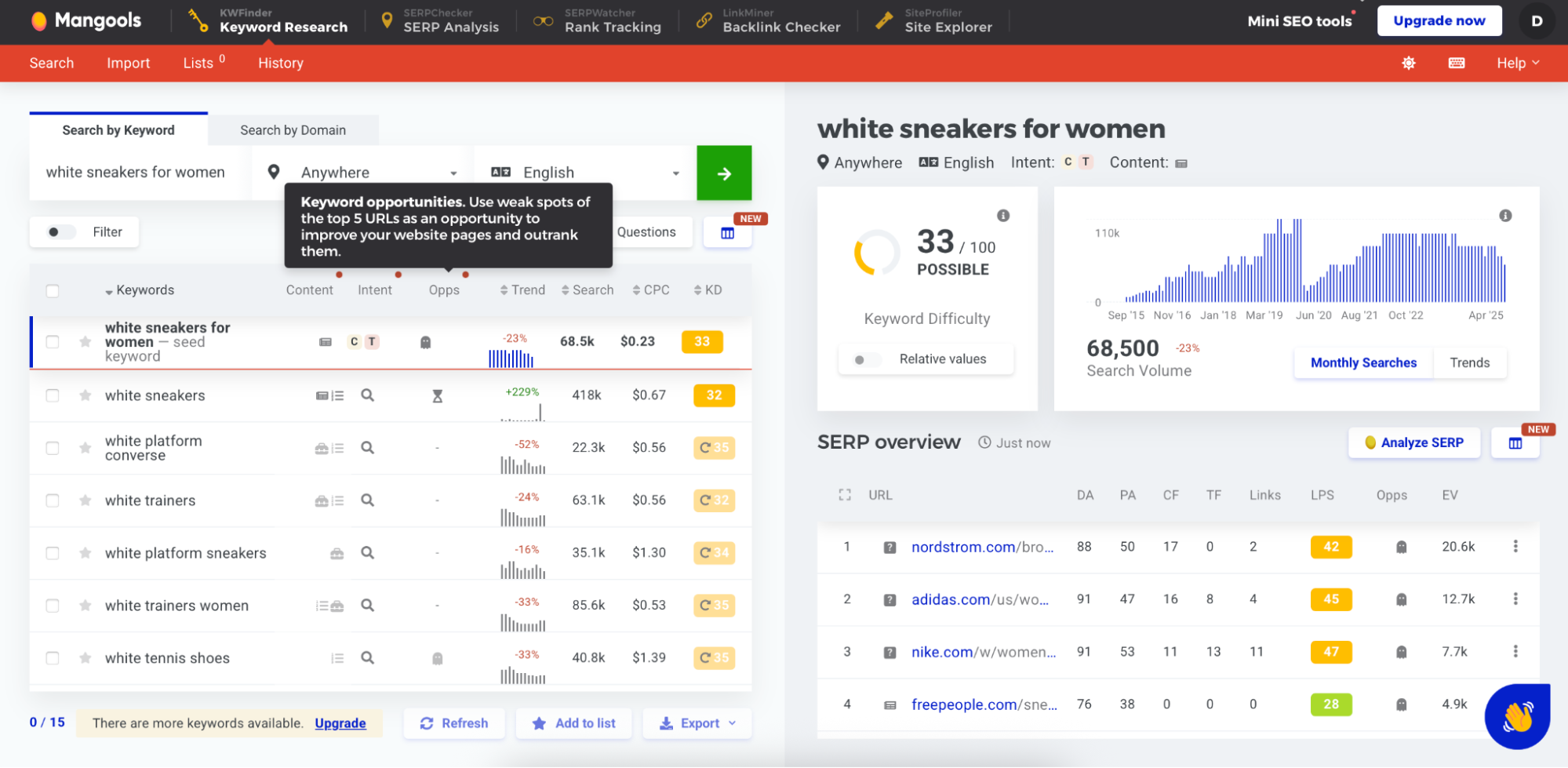
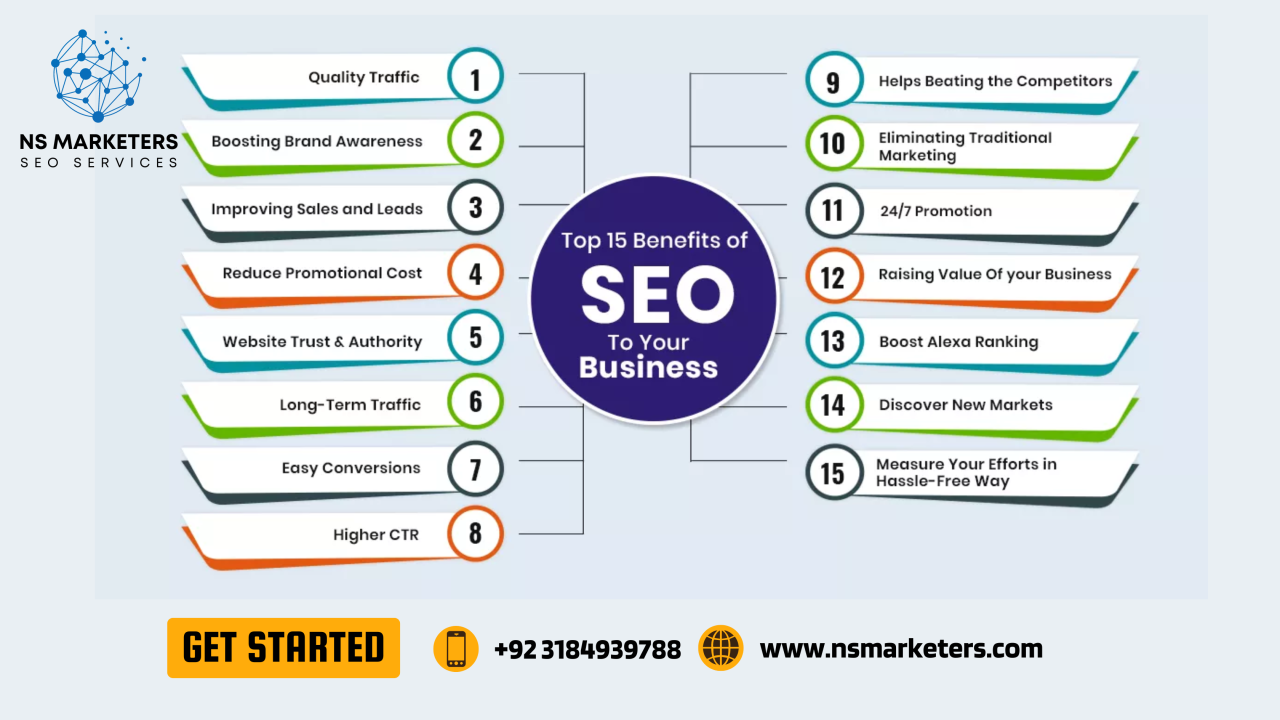
SEO is the process of optimizing a website to rank higher in search engine results. When users search for a product or service, businesses want their website to appear on the first page of search engines. SEO involves keyword research, content optimization, link building, and technical improvements. - Content Marketing
Content is the heart of digital marketing. It involves creating valuable and relevant content such as blog posts, videos, infographics, and articles to attract and engage the audience. Good content builds trust, educates users, and encourages them to take action. - Social Media Marketing
Social media platforms like Facebook, Instagram, LinkedIn, and Twitter are powerful tools for connecting with customers. Businesses use these platforms to share content, interact with users, and run targeted advertisements. Social media helps in building brand identity and customer loyalty. - Email Marketing
Email marketing remains one of the most effective ways to communicate with customers. It allows businesses to send personalized messages, promotional offers, newsletters, and updates directly to users’ inboxes. It is highly effective for customer retention and engagement. - Pay-Per-Click Advertising (PPC)
PPC is a paid advertising model where businesses pay a fee each time someone clicks on their ad. Platforms like Google Ads and social media ads allow businesses to target specific audiences based on demographics, interests, and behavior. - Affiliate Marketing
In affiliate marketing, businesses partner with individuals or other companies to promote their products. Affiliates earn a commission for every sale or lead generated through their referral. - Influencer Marketing
Influencer marketing involves collaborating with popular individuals who have a strong online presence. These influencers promote products to their followers, helping businesses reach a wider audience and build credibility.
Advantages of Digital Marketing
- Global Reach: Businesses can connect with customers worldwide.
- Targeted Audience: Advanced targeting options ensure that marketing efforts reach the right people.
- Real-Time Results: Instant tracking and analysis of campaigns.
- Improved Engagement: Direct interaction with customers through comments, messages, and feedback.
- Flexibility: Campaigns can be adjusted anytime based on performance.
Challenges in Digital Marketing
Despite its many advantages, digital marketing also comes with challenges. The online space is highly competitive, making it difficult for businesses to stand out. Constant changes in algorithms, especially in search engines and social media platforms, require marketers to stay updated with the latest trends.
Another challenge is data privacy and security. With increasing concerns about user data, businesses must follow strict regulations and ensure that customer information is protected.
Future of Digital Marketing
The future of digital marketing is driven by innovation and technology. Artificial Intelligence (AI), machine learning, and automation are transforming how businesses interact with customers. Chatbots, personalized recommendations, and predictive analytics are becoming more common.
Voice search and video content are also gaining popularity. With the rise of smart devices and platforms like YouTube and short video apps, businesses need to adapt their strategies to include voice and visual content.
Additionally, personalization will play a crucial role. Customers expect tailored experiences, and businesses that can deliver personalized content will have a competitive advantage.
Conclusion
Digital marketing has revolutionized the way businesses promote their products and services. It offers endless opportunities for growth, innovation, and customer engagement. By leveraging the right strategies and staying updated with the latest trends, businesses can achieve long-term success in the digital world.
In conclusion, digital marketing is not just about selling products—it is about building relationships, creating value, and delivering meaningful experiences to customers. As technology continues to evolve, digital marketing will remain at the forefront of business transformation, shaping the future of how brands connect with their audience.